
TLDR: News and mental health are more closely linked than most people realise. Constant headlines and real-time updates can leave you feeling tense, drained, or unable to switch off, even when you’re not consciously aware it’s happening. Below, Ryan Hegarty, BABCP-accredited CBT therapist at Slán Therapy, sets out seven signs news consumption may be affecting your mental health, and how to find a healthier balance.
For many people, keeping up with the news has become part of everyday life. Headlines are available within seconds, updates arrive constantly, and stories often unfold in real time. While this can help people feel informed and connected, it can also become quietly overwhelming for both mental health and general wellbeing.
Some people notice feeling more tense or unsettled after checking the news, while others feel worn down in a less obvious way. There may be a sense of emotional heaviness, irritability, or difficulty switching off. Often, these changes creep in gradually, making them easy to dismiss or normalise.
I’m Ryan Hegarty, a BABCP-accredited CBT therapist based in Essex. Below are seven ways the link between news and mental health tends to show up. You may recognise some of these in yourself, or in people around you.
A constant background sense of tension
One of the most common signs is a low-level sense of unease that lingers throughout the day. Even after closing a news app, the body can remain tense, as though it’s bracing for something else to happen.
This reaction makes sense. Many news stories are framed around threat, conflict, or uncertainty. When exposure is frequent, the nervous system can struggle to return to a settled state.
Checking the news without really deciding to
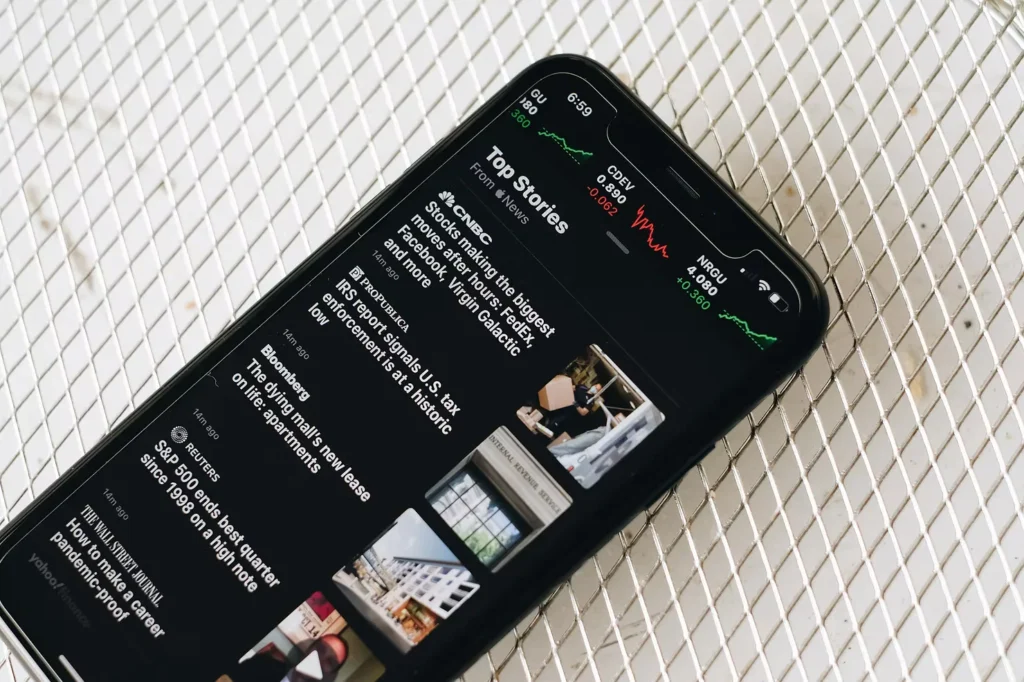
Many people find themselves opening news apps or scrolling through headlines almost automatically. It can happen during moments of boredom, stress, or quiet, without much conscious thought. This pattern is sometimes referred to as doomscrolling.
This habit can lead to far more exposure than intended, especially when updates are continuous and often distressing. Over time, it can start to feel difficult to step away, even when the impact is noticeable.
Feeling drained but still wanting to stay informed
It’s common to feel emotionally exhausted by the news while also feeling a strong pull to keep up. Some people worry that switching off means being irresponsible or avoiding reality.
This tension can keep people stuck. They may continue engaging long after it stops feeling helpful, driven by a sense of duty rather than genuine curiosity. Protecting your digital wellbeing doesn’t mean disengaging from the world; it means being more deliberate about how you take information in.
Changes in mood or outlook
Sustained exposure to distressing news can subtly shape how people see the world. Some notice becoming more pessimistic, fearful, or preoccupied with worst-case scenarios.
These shifts aren’t a sign of weakness. They reflect the cumulative effect of taking in large amounts of difficult information without space to process or recover.
The news affecting sleep and downtime
Checking headlines late at night or first thing in the morning can make it harder for the mind to settle. Stories that evoke worry or anger can linger, interfering with sleep or making rest feel less restorative.
Over time, poor sleep can heighten emotional reactivity, making the next day’s news feel even more intense.
Guilt about wanting to step back
Many people feel conflicted about limiting their news consumption. There can be a sense that protecting one’s mental health is somehow selfish, particularly when events affect others more directly.
This guilt can make it difficult to set boundaries, even when the cost is clear. Wanting to feel steadier and less overwhelmed doesn’t mean you don’t care.
A sense of helplessness
The scale and complexity of many news stories can leave people feeling powerless. Repeated exposure to problems without clear solutions can lead to frustration, sadness, or emotional numbing.
When there’s little opportunity to act or influence outcomes, constant engagement can begin to feel heavy rather than informative.
Finding a healthier balance
Responding to news fatigue doesn’t require avoiding the news altogether. Often, it involves becoming more intentional about how and when information is taken in.
Some people find it helpful to limit when they check the news, avoid it late in the evening, or reduce the number of sources they follow. Others focus on noticing how their body and mood respond, using that as a guide rather than rules.
Therapy can also provide space to explore the emotions tied to news consumption, including fear, anger, grief, or guilt, and to think about boundaries that feel supportive rather than restrictive. As an anxiety therapist, I often see this pattern in clients whose news and anxiety symptoms have built up gradually rather than arriving all at once. Approaches such as Cognitive Behavioural Therapy can be particularly helpful in working through the anxiety linked to information overload and difficulty switching off.
Is it time to get support?
Staying informed matters, but so does mental health. If the news consistently leaves you feeling anxious, exhausted, or on edge, it may be worth reflecting on how much exposure feels manageable for you.
Finding a balance isn’t about disengaging from the world. It’s about recognising your limits and responding to them with care.
If news consumption is affecting your mental health, book a free discovery call, and we’ll explore what’s happening and how to support yourself more effectively.